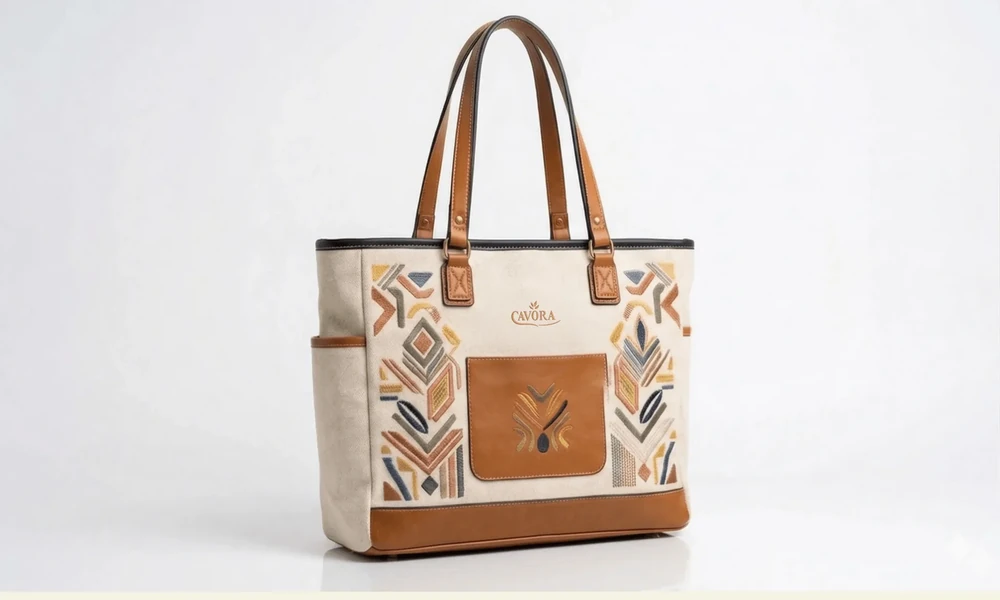

Daily routines often involve carrying several useful belongings together. A roomy tote bag gives those essentials enough space without forced stacking. Work papers can sit beside personal items without much pressure. Chargers, notebooks, wallets, and accessories remain easier to reach. The design also supports quick changes between different activities. Size matters, but thoughtful storage makes that space useful. Handle shape and compartment placement further influence everyday handling. Together, these details create a carrying option suited to changing routines.
Roomy Designs Simplify Daily Packing
A broad compartment gives belongings enough room during packing. Larger objects can settle without pressing against smaller possessions. This keeps fragile pieces from becoming trapped beneath heavier items. A wide opening also improves visibility during quick searches. Therefore, packing becomes less about squeezing and more arranging. That difference becomes useful during rushed morning routines. It also leaves spare space for unexpected purchases.
Which Features Improve Storage Access?
Good capacity becomes more useful through sensible internal organization. A tote bag with divided sections keeps small belongings easier to locate. Separate pockets can hold keys, cards, cables, or other accessories. Larger areas then remain available for books and documents. This arrangement reduces unnecessary searching when something suddenly becomes necessary. It also keeps loose objects from spreading across the bottom.
- Small pockets keep personal accessories easier to locate.
- Zipped sections can protect important belongings during movement.
- Wide openings provide clearer views across stored contents.
- Firm bases help heavier objects remain upright.
- Smooth linings allow simpler removal during busy routines.
Balanced Handles Support Comfortable Carrying
Handle construction influences carrying comfort during repeated daily movement. Longer straps provide an easy shoulder option for fuller loads. Shorter grips suit moments when hand carrying feels more suitable. Wider straps can spread pressure across broader contact areas. Reinforced joins also help manage repeated weight changes. These details matter when carrying continues between different stops. A balanced design can therefore support longer everyday use.
Can Flexible Capacity Follow Changing Routines?
Daily requirements can change from one outing to another. A lighter load may include personal items and reading material. Another occasion could require clothing, documents, or electronic accessories. Flexible construction allows extra belongings without demanding another carrier. Expandable sides can create additional room when circumstances change. Foldable sections can also reduce unused volume afterward. As a result, capacity remains useful across different schedules.
- Expandable sections create room for occasional additional belongings.
- Flat bottoms help contents stay stable during movement.
- Flexible sides accommodate objects with varied shapes.
- Interior dividers reduce unwanted movement among smaller pieces.
Material Choice Shapes Everyday Handling
Material affects weight, structure, cleaning, and long-term handling. Lightweight fabric can reduce strain when storage becomes fuller. Firmer construction can maintain shape around heavier possessions. Smooth surfaces may also make routine cleaning less difficult. Soft materials offer flexibility when objects need extra room. Each choice creates different handling characteristics during regular use. Therefore, spaciousness works best alongside suitable material qualities.
Room For Essentials Changes Daily Habits
An extra room can influence the way belongings get arranged. Instead of forcing items together, each object receives suitable space. That approach can make retrieval feel more predictable throughout busy routines. A wider compartment also reduces pressure around delicate possessions. Spare capacity can serve as useful protection against sudden additions. It becomes valuable when errands create items needing temporary storage. In this sense, unused space gains a practical purpose.
FAQs
What makes a spacious tote useful daily?
A larger compartment accommodates personal belongings without forcing items into crowded spaces during routine carrying.
Do internal pockets improve everyday organization?
Separate sections help smaller possessions remain visible instead of becoming buried beneath larger stored objects.
Which handles suit regular carrying needs?
Longer straps support shoulder carrying while broader grips can distribute pressure across contact points.
Can roomy designs stay organized when full?
Structured bases, divided sections, and suitable pockets can maintain order as different belongings fill available space.