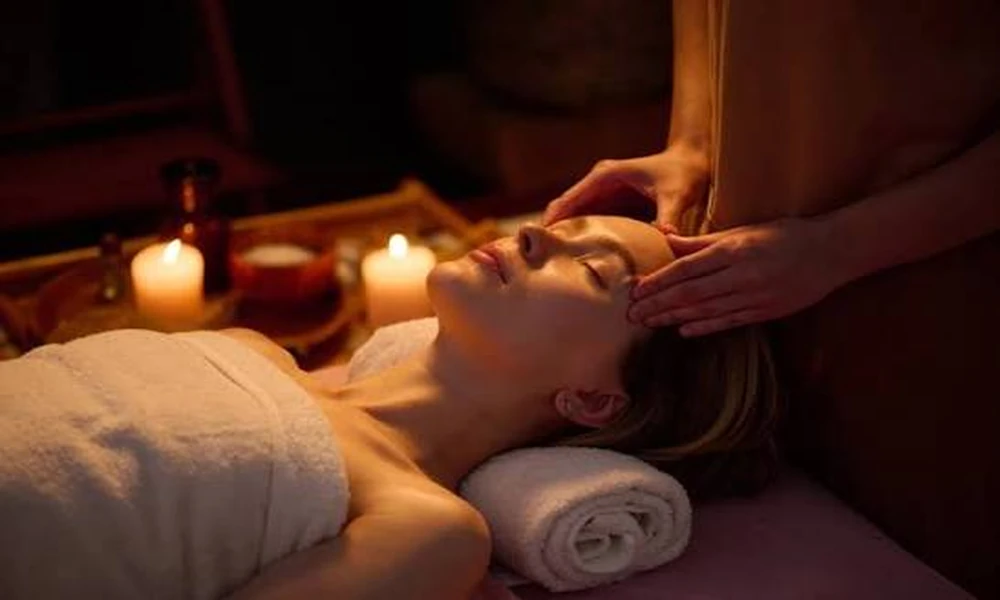

The pressure to make a gift feel personal often pushes buyers toward a very specific spa service. Yet massage pressure, fragrance, facial products, water settings, waxing, and body treatments are intimate preferences. Guessing can make the recipient feel obligated to accept an experience they would not choose. The better personalization happens in the story around the gift, while the service itself remains flexible.
Write the reason before choosing the format
Complete this sentence: “I am giving this because…” The answer might recognize a demanding season, celebrate a friendship, create time together, or thank someone for practical help. That sentence belongs in the card. It tells the recipient why the gift is theirs without prescribing how they must use it.
Then decide whether the gift is a solo invitation, an optional shared outing, or simply value toward a future booking. If attendance together is important, ask rather than assume. A recipient may value companionship, privacy, or the freedom to bring someone else. Personal does not mean controlling.
Choose flexibility on purpose
A flexible amount lets the recipient compare massage, floating, skin care, body treatments, or packages after considering time and comfort. It also allows them to add personal funds for a longer service or choose something below the gift value, subject to current terms. The buyer should confirm how balances, expiry, promotions, and redemption work rather than relying on general gift-card expectations.
Set the amount from the giver’s budget, not from pressure to cover the most elaborate package. A partial contribution can still be generous when the recipient understands the value and has freedom to use it. If adding personal funds would create discomfort, choose an amount likely to support a simple option after checking current pricing, or select a different gift.
The Azure Aqua Spa gift-card page is the place to check current purchase information. Save the receipt and card details securely, and provide clear redemption instructions. Seasonal bonus offers or older advertisements should not be assumed to apply; confirm what is included at the time of purchase.
If a specific service is part of the idea, present it as inspiration. “You could use this for a float if that sounds enjoyable” leaves room for a facial or massage instead. “I booked you a treatment” removes that room. The first message respects the fact that the buyer may not know the recipient’s health, skin, touch, or privacy considerations.
Match the presentation to the recipient
Some people enjoy a physical card, a small object, and a handwritten note. Others prefer a clean digital message they will not misplace. Choose the format the recipient actually uses. Do not print sensitive assumptions on the card, such as comments about appearance, stress, pain, aging, or the need to “fix” something. A gift should not diagnose its recipient.
For a shared occasion, add an invitation with options: two possible weekends, a suggestion for lunch, and permission to choose the service independently. For a solo gift, mention that there is no deadline from the giver. The amount can still be celebratory without turning the calendar into an assignment.
Give a menu map, not a recommendation
A short map can be helpful when the spa offers many categories. Explain that massage is practitioner-guided and hands-on, floating is more private and water-based, and skin-care or body treatments involve their own products and preparation. Encourage the recipient to review current descriptions and contact the spa with questions. Anyone unsure because of a medical condition or recent procedure should seek appropriate professional guidance.
If packages appeal, use the Azure Aqua Spa skin-care overview as one example of the available categories, not as a predetermined use. The recipient may choose something else entirely. Confirming choice in writing can remove the social pressure to select the option the giver mentioned first.
- Personalize the reason and message.
- Keep treatment, timing, and companion choices flexible.
- Check card terms and protect the purchase record.
- Avoid appearance, health, or stress assumptions.
Make declining part of the design
There should be a graceful route if the recipient does not want a spa service. Ask about transferability and other relevant terms before purchase, especially when preferences are uncertain. Do not demand a report, photo, or booking date afterward. Gratitude for the gesture does not create an obligation to document its use.
For a milestone, the giver can add something that carries the story without controlling the treatment: a map of the day, a favourite café suggestion, a note about a shared memory, or an offer to handle transportation. These details make the gift feel considered while leaving the recipient’s body and schedule out of the surprise. They are also durable if menus or availability change.
Once the gift is delivered, let the recipient lead. Answer questions about the value and receipt, but do not repeatedly suggest a service or ask why nothing has been booked. The quiet after giving is part of the flexibility. It allows the recipient to wait for the right date, compare options privately, or decide that another eligible use fits better.
A personal spa gift says, “I thought about what might give you room,” not “I decided what your body needs.” With a specific message, flexible value, accurate terms, and no hidden expectation, the recipient can turn the gesture into an experience that genuinely belongs to them.