Archive

May 2025

Browsing

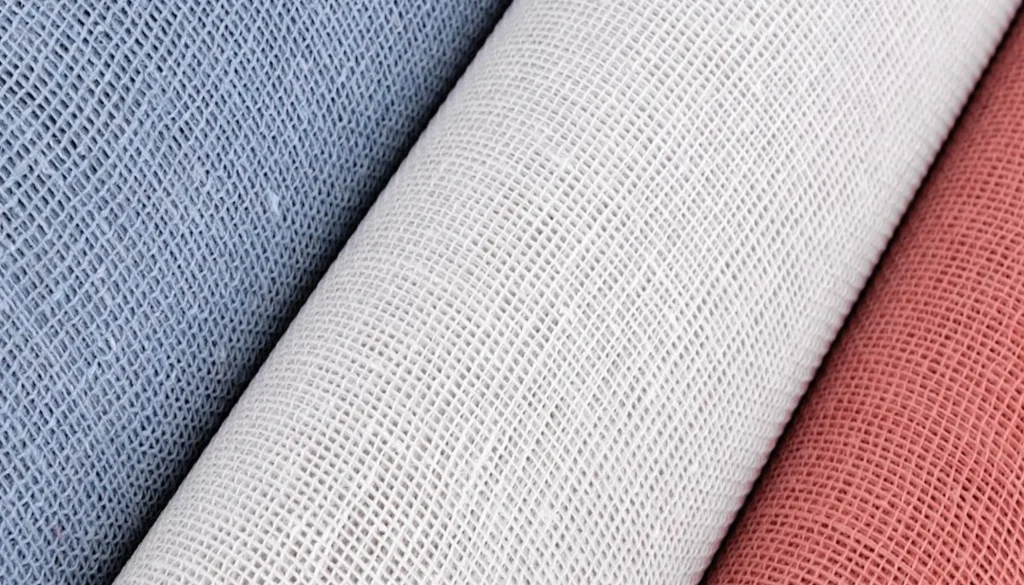
The staple of cotton is the world of textiles, renowned for its breathability, comfort and adaptability. From crisp dress shirts, to soft bed sheets, cotton comes in many forms and fulfills various requirements. However, not all fabrics made of cotton are made to be the same. Each has its own strengths. Knowing which to choose will make a huge difference in terms of quality and satisfaction.

This guide will break down the most popular kinds of cotton fabric. It explains what makes them different and offers practical advice for choosing the most appropriate one. Also, you’ll get detailed advice on how to take care of your cotton clothing, to ensure they last longer.

What Is Cotton Fabric and Why Is It So Versatile

The natural fiber of cotton is made from the soft and bristles of cotton plants. The fibers are spun into thread or yarn before being knitted or woven into fabrics. The main benefit for cotton lies in its breathable, soft nature. It is able to absorb moisture, it feels soft against your skin, and is a breeze to work with during the process of manufacturing.

It’s also tough, it is easy to clean and retains color beautifully. These attributes make it the preferred fabric in everything from the everyday T-shirts all the way to high-thread count bedding. With so many possibilities it’s no wonder cotton is still a popular choice in the homes and wardrobes of the world.

Where Cotton Comes From A Look at Its Roots

Cotton has an extensive and rich history. The evidence suggests that humans began using cotton as early to the year 5000 BC in both India in ancient India and Mexico. In time, different regions began cultivating their own varieties, each one adapted to local climate and requirements.

In the Industrial Revolution, spinning and weaving cotton on a massive scale revolutionized the global textile industry. With improved plantation and harvesting techniques, as well as processing methods, cotton fabrics were made cheap and readily available. Today cotton farming and production help support industries and economies all over the world.

Understanding the Main Types of Cotton Fabrics

The quality of cotton you buy isn’t exactly the same. There’s plenty of options in the fabric stores or while reading product labels. Each kind of fabric is unique and has its own characteristics to a specific use.

Pima Cotton

Characteristics:

Pima cotton is renowned for its long fibers which result in a silkier, stronger, more durable and shiny material than normal cotton. It is soft and does not pill, and remains bright after several washes.

Best Uses:

You’ll find Pima cotton on high-end t-shirts, dress shirts, underwear, as well as luxurious sheets. It’s a great choice for casual wear that requires comfort and durability. Skin-sensitive people tend to prefer Pima cotton due to its soft, silky feeling.

Egyptian Cotton

Characteristics:

Egyptian cotton also has fine, long fibers that are harvested from cotton plants that grow on the Nile River. It’s comparable in quality to Pima cotton in terms of strength and softness however, Egyptian cotton can have an even finer texture due to the careful harvesting done by hand.

Best Uses:

It is a popular choice for the top bedding and towels available, Egyptian cotton delivers smooth soft sheets that have a sharp, crisp feel. You can also find it in top-quality robes and shirts. If you’re looking for clothes that keep cool during summer, and warm during cold winter days, Egyptian cotton is a solid choice.

Upland Cotton

Characteristics:

Upland cotton happens to be the largest and most extensively produced cotton variety across the United States and accounts for around 90 percent of the world’s production. It is made up of shorter fibers making it thinner in comparison to Pima and Egyptian varieties. It is durable and cost-effective.

Best Uses:

The majority of everyday staples made from cotton are made of Upland cotton. Think towels, jeans, socks, t-shirts and bedding for casual use. It’s an ideal selection for items that receive frequent wear and wash regularly.

Organic Cotton

Characteristics:

Organic cotton is grown without the use of synthetic pesticides, fertilizers as well as genetically engineered seeds. The farming process requires less water and contributes to healthier ecosystems and soils. Organic cotton has been processed according to high standards, and is free of harmful chemicals.

Best Uses:

Organic cotton can be found in bedding, clothing towels, baby items. Many environmentally conscious shoppers opt for it due to its low environmental impact as well as its skin-friendly properties. Certain organic cotton products are some more upfront however, many find the benefits worth it.

Cotton Blends

Characteristics:

Cotton blends combine natural cotton fibers and other materials like spandex, polyester or rayon. Combining cotton with natural or synthetic fibers can enhance certain properties such as wrinkle resistance, stretch or moisture-wicking.

Common Blends and Their Uses:


  • Cotton-Polyester: The ideal option for uniforms, shirts that are easy to clean sheets, and uniforms. It is resistant to wrinkles and shrinkage.
  • Cotton-Spandex: For leggings and activewear This blend retains the softness of cotton, while adding stretch.
  • Cotton-Linen: The perfect summer outfit, giving you lightweight, cool clothing and pants that are breathable even in the hottest temperatures.

Selecting the best blend is contingent on the characteristics that you value most for example, breathing, ease of use or stretch.

How to Choose the Right Cotton Fabric

Selecting the best cotton fabric isn’t all about cost or brand. Different climates and projects require different approaches. Consider these things before purchasing:

Purpose

  • Clothing: If you’re looking for soft, breathable tees, choose Pima or Upland. For formal attire, Egyptian or Pima cotton improves quality and style.
  • Bedding and Towels: Egyptian as well as Pima cotton gives towels and sheets that soft, smooth final. Upland is a great choice for everyday sets that are durable.
  • Baby Clothes and Sensitive Skin: Select Pima as well as organic cotton which are soft and less prone to irritation.
  • Sports and Leisure: Blends of cotton-spandex work well to create comfortable, flexible activewear.

Climate

  • Hot, Humid Regions: The light weight cotton or cotton-linen blends let you breathe and help sweat absorption.
  • Cooler Weather: High-thread-count or heavier cotton weaves and Egyptian cotton will keep you warm without becoming too hot.
  • Travel: If wrinkle resistance is important you should look for blends of cotton and polyester and treated cotton textiles.

Personal Preferences

Some prefer the feel of cool, crisp percale cotton. Others prefer the silky feel of silk sateen. Think about how a garment feels on your skin, the amount of maintenance you’d like to spend on, and the budget you have set for.

Caring for Your Cotton Fabrics

To keep your cotton clothing and linens looking great, a little extra care is well worth it. Here are the best methods for cleaning and maintaining cotton fabric:

Washing

  • Sort them by color. Wash colors, whites, and darks in a separate manner to avoid fade or transfer of color.
  • Use warm or cold water to limit shrinking and loss of color.
  • Select a gentle soap specially for delicate cottons or organic fabrics.
  • Flip clothes over to preserve colors and prints.

Drying

  • If you can, dry your cotton fabric with air to preserve the strength of the fiber and avoid shrinkage.
  • Make use of your dryer’s lowest temperature setting whenever you want to dry it.
  • Take off clothes when they are slightly damp to minimize wrinkles.

Ironing and Storing

  • Iron cotton clothes while they are damp to get the optimal results. Select the setting that says “cotton” on your iron.
  • Hang clothes and shirts to prevent wrinkles. Fold large items such as towels and jeans, and then store them in a dry, cool location.
  • Do not use plastic storage containers to store your items for a long period of time. Cotton is a breather.

Cotton Fabrics The Everyday Essential

Cotton fabric has been through the ages appearing in everything from old fabrics to the latest essentials. Their softness, durability and wide range of options makes cotton the perfect option for any budget and requirement.

When you next shop for bedding, clothing or a fabric for your project, make sure you read the tag and consider which type of cotton is best suited to your requirements. Spending a bit more on cotton is rewarded with products that feel better and look better, as well as last longer.

Do you know which fabric to choose in your next order? Remember these guidelines so that you can pick the perfect fabric each time.

Sustainable fabrics are environmentally friendly textiles designed to minimize ecological impact through ethical sourcing, low resource consumption, and biodegradability. Among the most sustainable options are organic cotton fabric, which is cultivated without toxic chemicals and uses less water, and linen fabric, derived from the flax plant, which requires minimal inputs and is completely biodegradable. Other eco-conscious choices include hemp, TENCEL™, and Cupro (Bemberg)—all produced from renewable materials using responsible and often closed-loop manufacturing processes.

Our wide selection of custom printed, ready mill-dyed, and yarn-dyed fabrics—ideal for bringing your next collection to life. For tailored support or any queries, feel free to contact us at hello@fabriclore.com. With Fabriclore, enjoy a smooth, reliable, and budget-friendly fabric sourcing experience.


Certain pieces of clothes vary from being basic to being exquisite, and fashion is always changing. An excellent illustration of this change is tights. Tights, which were formerly primarily used for warmth, comfort, or modesty, are now quite popular in the fashion industry. They are now a big statement rather than only a basic coating. Tights are being creatively embraced by women of all ages. Tights aid in expressing individual style, whether it is for a glitzy night out, work, or casual streetwear. Tights are now a staple for adding flair and finishing touches to any ensemble since they come in a wide variety of colors, textures, and patterns.

Here is why tights are now the bold fashion statement every woman loves.

Bold colors brighten any outfit

The days of wearing exclusively black or nude tights are long gone. Tights in vivid reds, deep blues, forest greens, and even neon colors are popular right now. Women stand out thanks to their striking hues. A modest ensemble may become a show-stopper with a splash of color on the legs. Fun and flair are often added by using contrasting or matching colors. Tights are increasingly seen by women as more than simply a cover-up. They are a means to experiment with their outfit.

Patterns that steal the show

Tights with patterns are popular right now. Everyone can find something they like, whether it is polka dots, flower prints, stars, or animal motifs. While some ladies prefer subtle stripes or geometric forms, others prefer fishnet or mesh styles. These designs produce striking appearances. Additionally, they allow women to express their boldness or personalize their ensembles without speaking.

Stylish layering creates unique looks

Nowadays, tights are a crucial component of layering. Tights give depth and texture to skirts, ripped jeans, shorts, and oversized sweaters. They also function in all seasons. In the spring, sheer tights keep things cool, and in the winter, heavier pairs provide warmth. Combining comfort and style is simple when wearing tights layered with different garments. Nowadays, a lot of women base their wardrobe choices on the tights they choose to wear.

Perfect for day-to-night transitions

You can go from work to a night out in tights without changing your clothes. For work, sheer black tights with a pencil skirt seem put together, while for dinner, the same tights look stylish with a dress. The atmosphere completely changes when heels are added. Fashion is made easy but attractive with tights. Women adore them because they are effortless and always look fantastic.

A modern way to express yourself

More than anything else, tights have evolved into a means for women to display their individuality. Tights express your mood and sense of style, whether they are a striking hue, an eye-catching design, or a timeless sheer black pair. Feeling good is the essence of fashion, and tights enable women to do so with comfort and confidence.

To conclude

No longer are tights concealed behind clothing. They are currently a prominent aspect of fashion. Every woman may discover a pair that complements her style and gives her a sense of confidence, style, and self-expression.

Whether you’re planning a kid’s birthday bash, a corporate mixer or a fan‑driven product launch… bringing a cosplay performer on‑site instantly turns your gathering into an immersive experience. Ready to get started? Hire a cosplay performer near you and let the magic begin. Hunting for reliable talent, juggling logistics and ensuring everything runs smoothly can feel like a full‑time gig. That’s why Costume Cameos exists—to handle the heavy lifting so you can focus on the fun.

Why Cosplay Performers Elevate Your Event

  1. Memorable Engagement
    A live character appearance sparks excitement… guests line up for selfies and share on social channels
  2. Brand Amplification
    Themed characters reinforce your event’s message and give your brand a playful edge
  3. Universal Appeal
    From toddlers meeting princesses to adults geeking out over superheroes… everyone gets a thrill
  4. Social Proof
    User‑generated content (photos, videos, posts) extends your event’s reach long after it ends

How to Plan for a Flawless Cosplay Experience

  1. Define Your Goal
    Do you need meet‑and‑greets, stage shows or walk‑around interactions?
    • How many hours of performance are required?
  2. Set a Realistic Budget
    Factor in talent fees, costume add‑ons (props, makeup) and travel expenses
    • Build in a 10 % buffer for last‑minute requests or overtime
  3. Choose the Right Characters
    Pick icons that resonate with your audience… classic heroes for families, cult favorites for niche crowds
    • Consider variety—mix hero, villain and sidekick appearances to keep energy high
  4. Secure Your Venue Details Early
    Measure doorways, backstage spaces and ceiling heights
    • Confirm power access, dressing‑area privacy and noise ordinances

Vetting and Selecting Top‑Tier Cosplayers

  1. Costume Quality Check
    Ask for photo portfolios or video reels… focus on detail accuracy and craftsmanship
    • Verify durability—costumes should handle high‑energy performances without falling apart
  2. Performance Credentials
    Request references or reviews from past events
    • Gauge improv skills—ideal performers can adapt on the fly and engage diverse age groups
  3. Professionalism Assessment
    Confirm punctuality and communication standards
    • Ensure they carry liability insurance or follow your venue’s safety protocols

Booking Through Costume Cameos: Step‑by‑Step

  1. Browse Our Curated Roster
    Filter by character, location and availability… preview bios and past event photos
  2. Lock in Your Performer
    Select your date, time slot and any extras (face painting, themed games)
    • Submit your deposit through our secure portal
  3. Coordinate Your Vision
    Send venue photos, schedule outlines and show‑flow details
    • Book a 15‑minute pre‑event call to finalize arrival times and staging
  4. Manage Payment Smoothly
    Final balance auto‑calculates based on any added hours or services
    • We handle invoicing so you don’t chase multiple payment streams

Event‑Day Best Practices

  • Arrival and Setup
    Ask your performer to arrive 30 minutes early for costume prep and warm‑up
  • Dedicated Liaison
    Assign a point person to greet the cosplayer, guide them through the venue and troubleshoot any issues
  • Structured Interactions
    Block out mini‑showtimes or photo sessions to prevent crowding… keep lines organized with simple signage
  • Emergency Kit
    Provide a small kit with safety pins, oil blotting sheets and a water bottle to keep costumes fresh and performers comfortable

After‑Party Follow‑Up

  1. Gather Feedback
    Send a quick survey to attendees asking which character appearance they enjoyed most
  2. Request Testimonials
    Collect quotes and event photos to feature on your own site or social channels
  3. Rebook Early
    Popular characters fill up fast… reach back out within a week to secure next year’s date at current rates

Ready to transform your next event into an epic adventure? Head over now and Hire a performer near you—which character will you book first?

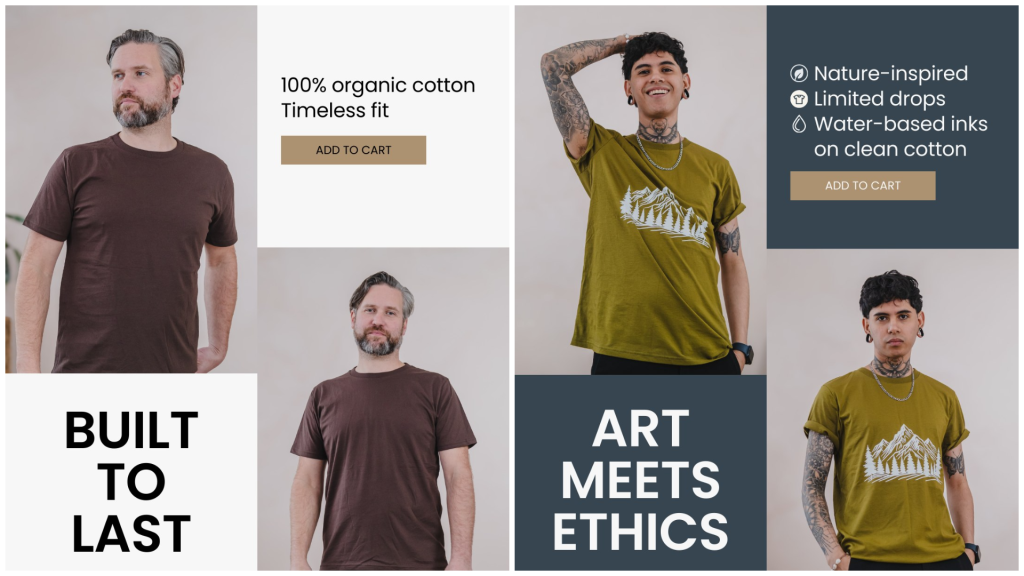
In an era where conscious consumption is increasingly important, men’s organic t-shirts represent the perfect intersection of comfort, style, and environmental responsibility. These wardrobe essentials have evolved far beyond basic undershirts to become foundational pieces that reflect both personal values and contemporary style. This comprehensive guide explores everything you need to know about choosing, wearing, and caring for these sustainable staples.

Understanding the Organic Difference

What exactly sets men’s organic t-shirts apart from their conventional counterparts? The distinction begins at the farm and extends through every stage of production.

Cultivation Practices

Conventional cotton is one of the world’s most chemically-intensive crops, accounting for approximately 16% of global insecticide use despite occupying just 2.5% of agricultural land. These chemicals contaminate soil, water systems, and pose serious health risks to farmers and nearby communities.

In contrast, organic cotton cultivation:

  • Eliminates synthetic pesticides and fertilizers
  • Implements natural pest management techniques
  • Uses non-GMO seeds
  • Employs crop rotation to maintain soil health
  • Typically relies on rainwater rather than irrigation where possible

These practices result in a significantly reduced environmental footprint, with organic cotton using up to 91% less water than conventional cotton and producing up to 46% less CO2e emissions.

Processing and Manufacturing

The sustainable approach extends beyond the farm:

  • Organic certification (like GOTS) restricts the use of toxic chemicals in processing
  • Natural or low-impact dyes replace conventional options that pollute waterways
  • Energy-efficient manufacturing reduces carbon emissions
  • Ethical labor practices ensure fair treatment of workers throughout the supply chain

The result is a t-shirt that’s not only better for the planet but often more comfortable and durable for the wearer.

The Comfort Advantage of Organic Cotton

Beyond environmental benefits, men’s organic t-shirts offer tangible advantages in comfort and wearability:

Superior Softness

Without harsh chemical treatments, organic cotton retains more of its natural softness. The fibers remain intact rather than being broken down by processing chemicals, resulting in a fabric that feels noticeably softer against the skin and actually improves with washing.

Enhanced Breathability

The natural fiber structure of organic cotton allows for better air circulation, making organic t-shirts more comfortable in warm weather and during physical activity. This breathability helps regulate body temperature and reduces moisture buildup.

Skin-Friendly Properties

For men with sensitive skin, organic cotton can provide significant relief. The absence of chemical residues makes organic cotton naturally hypoallergenic and less likely to trigger skin irritations, rashes, or allergic reactions.

Improved Durability

Contrary to some misconceptions, organic cotton typically offers superior durability compared to conventional alternatives. Without chemical processing that can weaken fibers, organic cotton maintains its structural integrity longer, resulting in t-shirts that retain their shape and appearance through numerous washes.

Building a Core Collection of Men’s Sustainable T-Shirts

A thoughtfully curated collection of organic t-shirts forms the foundation of a versatile, sustainable wardrobe. Here’s how to build yours:

Essential Styles

Consider including these key styles in your collection:

  1. The Classic Crew Neck: Versatile and timeless, this style works in virtually any casual context and layers well under shirts and sweaters.
  1. The V-Neck: Offering a slightly more refined look, V-necks create a visually elongating effect and work well on their own or under blazers and jackets.
  1. The Henley: With its button placket, the henley provides a more textured, interesting alternative to standard t-shirts while maintaining the same comfort and versatility.
  1. The Pocket Tee: The addition of a simple chest pocket adds visual interest and practical utility to this casual staple.

Color Strategy

For maximum versatility, build your collection around these options:

  • Neutrals: White, black, navy, and gray form the backbone of a functional t-shirt collection, pairing effortlessly with everything in your wardrobe.
  • Earth Tones: Olive, rust, mustard, and burgundy offer more visual interest while remaining versatile and seasonally adaptable.
  • Subtle Patterns: Consider adding a few subtle stripes or minimal patterns that function essentially as neutrals in your wardrobe.

Fit Considerations

Finding the right fit is crucial for t-shirts that look intentional rather than like afterthoughts:

  • Regular Fit: Offers comfortable movement without excess fabric; versatile for most body types and occasions.
  • Slim Fit: Creates a more tailored silhouette that works well under jackets or on its own for a more contemporary look.
  • Relaxed Fit: Provides maximum comfort and a laid-back aesthetic that’s currently trending in menswear.

The ideal fit should allow comfortable movement while maintaining a clean silhouette— not too tight across the chest and shoulders, with sleeves that hit mid-bicep and a length that allows for either tucking or wearing untucked.

Styling Men’s Organic Cotton T-Shirts for Various Occasions

The versatility of organic t-shirts makes them appropriate for numerous contexts when styled thoughtfully:

Casual Everyday

For daily wear, organic t-shirts need minimal styling: – Pair with well-fitted jeans or chinos – Add clean, minimal sneakers or casual boots – Consider a watch or simple bracelet as your only accessory – Layer with an open button-down or light jacket for cooler days

This approach creates an effortless look that’s comfortable yet intentional.

Smart Casual

Elevate your organic t-shirt for more refined settings: – Choose a crisp, structured t-shirt in a solid neutral – Layer under an unstructured blazer or tailored overshirt – Pair with chinos or dress trousers – Complete with leather shoes or minimal leather sneakers – Add thoughtful accessories like a quality watch or subtle necklace

This combination balances comfort with sophistication, perfect for dinner outings, creative workplaces, or casual Friday at more formal offices.

Active and Outdoors

For exercise or outdoor activities: – Select organic cotton blends with performance features – Opt for moisture-wicking options for high-intensity activities – Choose darker colors or patterns that hide potential stains – Layer with performance outerwear for changing conditions

Many brands now offer men’s sustainable t-shirts specifically designed for active use, combining organic materials with functional design.

Layering Strategies

Master the art of layering for transitional weather: – Use organic t-shirts as a base layer under flannel shirts, cardigans, or lightweight jackets – Experiment with contrasting necklines (crew neck t-shirt under a V-neck sweater) – Play with visible layering of different lengths – Consider color theory when creating layered combinations

Thoughtful layering adds visual interest while providing practical adaptability to changing temperatures.

Caring for Your Organic T-Shirt Collection

Proper care significantly extends the life of your organic t-shirts, maximizing their sustainability benefits:

Washing Best Practices

  • Wash in cold water to preserve fibers and colors
  • Use gentle, eco-friendly detergents free from harsh chemicals
  • Turn t-shirts inside out to protect prints and reduce abrasion
  • Wash similar colors together to prevent color transfer
  • Consider washing less frequently—t-shirts often need fewer washes than you might think

Drying Methods

  • Air dry whenever possible to save energy and reduce wear
  • If using a dryer, choose low heat settings
  • Remove promptly and fold to prevent wrinkles
  • Avoid hanging t-shirts to dry, as this can stretch the neckline

Storage Solutions

  • Store folded rather than hung to maintain shape
  • Use the file folding method (vertical storage) to see all options at once
  • Keep in a cool, dry place away from direct sunlight
  • Consider cedar elements in storage areas to naturally repel moths

Extending Lifespan

  • Address small holes or loose threads promptly
  • Consider visible mending as a creative, sustainable approach to repairs
  • Repurpose worn-out t-shirts as cleaning rags or other household items
  • Research textile recycling options for end-of-life management

With proper care, high-quality men’s organic cotton t-shirts can last for years, making them an economically sound choice despite their higher initial cost compared to fast fashion alternatives.

Understanding Certifications and Standards

When shopping for organic t-shirts, several certifications help verify sustainability claims:

GOTS (Global Organic Textile Standard)

The gold standard for organic textiles, GOTS certification ensures: – Minimum 95% certified organic fibers – No toxic heavy metals or formaldehyde – Restricted use of synthetic sizing agents and bleaches – Wastewater treatment in all wet processing units – Fair wages and safe working conditions – No child labor

OCS (Organic Content Standard)

This certification verifies: – Accurate organic material content claims – Tracking of organic material from source to final product – No regulation of processing or social criteria

Fair Trade Certification

This focuses on social aspects: – Fair compensation for workers – Safe working conditions

  • Environmental protection – Community development funds – Transparent supply chains

Look for these certifications when purchasing men’s sustainable t-shirts to ensure claims are verified by independent third parties.

The Future of Men’s Organic T-Shirts

The sustainable t-shirt market continues to evolve with exciting innovations on the horizon:

Material Innovations

Beyond standard organic cotton, emerging options include: – Regenerative organic cotton that actually improves soil health – Recycled cotton blends that utilize textile

waste – Hemp/organic cotton blends that reduce water usage even further – Novel sustainable fibers derived from agricultural waste

Design Evolution

Sustainable t-shirts are moving beyond basic styles to include: – Innovative cuts and silhouettes – Technical features for enhanced performance – Collaboration with artists and designers – Customization options that reduce overproduction

Transparency Advancements

Leading brands are implementing: – QR codes that reveal a garment’s complete journey – Impact calculators showing environmental savings – Detailed information about production facilities – Clear communication about certifications and standards

Men’s organic t-shirts represent far more than just another clothing item—they embody a thoughtful approach to fashion that considers environmental impact, ethical production, personal comfort, and versatile style. As the foundation of a conscious wardrobe, these essential pieces allow you to express your personal aesthetic while aligning your daily choices with your values.

By investing in high-quality men’s organic cotton t-shirts and caring for them properly, you create a wardrobe that’s not only versatile and stylish but also reflective of a commitment to more responsible consumption. In a world where every choice matters, these seemingly simple garments represent a significant step toward a more sustainable and ethical fashion future.

Whether you’re just beginning your sustainability journey or looking to refine an already conscious wardrobe, organic cotton t-shirts offer the perfect starting point—combining practicality, style, and responsibility in one essential garment that you’ll reach for day after day, season after season.