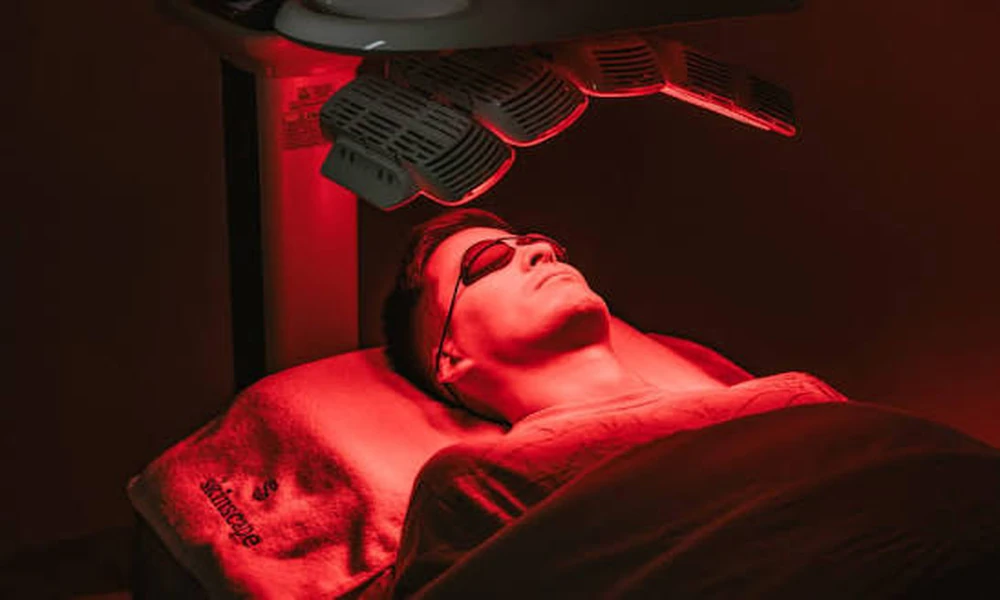

Light-based devices, scalp or topical routines, and cosmetic hair coverage should not be ranked on one scale. A device aims at a biological hair-growth question, scalp care targets comfort or the environment around the hair, and a wig or hair system changes appearance immediately. Start by naming the desired outcome and how it will be measured.
Choose one primary goal before comparing routes
“Thicker hair” can mean more biological density, less breakage, a healthier-looking fibre, a calmer scalp, or more visible coverage. The route depends on which meaning matters. A person may ultimately use more than one approach, but each needs a separate purpose and review point.
Begin with diagnosis. Gradual pattern thinning, reactional shedding, alopecia areata, traction, and scalp disorders do not share one treatment plan. A dermatologist or physician should evaluate unexplained or concerning loss. A trichology consultation can contribute history, scalp observation, routine review, and referral while staying within its professional limits.
Write three outcomes in plain language: what should change in photographs, what should feel different on the scalp, and what should become easier in daily life. Then identify which route is intended to affect each line.
Route one: ask device-specific questions about light
Low-level light or laser devices are sold in several formats, including bands, caps, helmets, and in-clinic equipment. Do not assume that all red light has the same wavelength, power, dose, intended use, authorization, or supporting evidence. The relevant unit is the exact device used according to its instructions.
The American Academy of Dermatology’s guide to female pattern hair loss notes that questions remain about the long-term use and continuing benefit of at-home lasers. That uncertainty supports a careful buying process: confirm the diagnosis being treated, the exact device and Canadian authorization, contraindications, eye-safety instructions, session schedule, evidence for the intended population, and who monitors progress.
Ask for the total commitment. A device used several times a week is not a one-time purchase in practical terms. Include setup, cleaning, charging, travel, session duration, replacement parts, and the likelihood of maintaining the schedule. Clarify what happens if sessions are missed and whether benefit depends on continuing use.
Marketing terms such as “red light,” “laser,” “LED,” and “photobiomodulation” should not be treated as interchangeable specifications. Request wavelength, dose, treatment area, distance or fit, session time, and the manual for the exact model. If a clinic and an at-home device are compared, ask whether the equipment and protocol are actually comparable.
Check contraindications before cost. Photosensitizing medication, eye conditions, scalp disease, pregnancy, or another health circumstance may change the advice for a particular device. The manufacturer’s warnings and an appropriate health professional-not a social-media routine-should guide that decision.
Baseline photographs should use consistent parting, lighting, distance, and dry-hair conditions. Decide who reviews them and when. Stop and seek advice after an adverse reaction or new scalp symptoms rather than adding products to compensate.
Route two: separate scalp care from regrowth claims
A professional scalp service or home routine may focus on cleansing, scale, oil, dryness, comfort, hair-fibre condition, or product use. Those outcomes can matter greatly without proving follicle regrowth. Ask whether the proposed service is cosmetic, supportive, or part of care for a diagnosed condition.
The Truly You hair-spa service menu lists general hair-and-scalp treatments as well as services described for hair loss and scalp disorders, including the use of different devices. A prospective client should ask which service is recommended, why, what equipment is used, operator training, realistic one-visit outcomes, package logic, home care, and medical referral rules.
Topical products create similar category questions. A cleanser, conditioner, cosmetic serum, and licensed medication are not interchangeable. Avoid starting a device, multiple actives, and a supplement simultaneously. If the plan changes four variables, it becomes difficult to identify benefit or irritation.
Scalp services should be costed by purpose. A relaxation visit, a series intended to manage a recurring scalp concern, and device sessions proposed for hair loss need different evidence and review. Ask whether the first appointment can stand alone and what finding would justify continuing. Prepaid frequency is not a clinical rationale.
Scalp care should also preserve access. Adhesives, fibres, heavy oils, and tightly attached pieces can affect examination or product use. Coordinate routines when a medical treatment, trichology plan, and cosmetic system overlap.
Route three: use coverage for an immediate appearance goal
Wigs, toppers, fibres, extensions, and integrated hair replacement can change the appearance of density without claiming biological regrowth. That is not a lesser outcome. For someone returning to work, attending an event, or living with ongoing hair loss, cosmetic coverage may offer the most immediate practical benefit.
The Truly You women’s hair-loss program describes adding hair to areas of thinning or loss through a non-surgical hair-replacement process. Compare that wearing model with removable wigs and partial pieces. Ask about base size, attachment, bio-hair load, scalp access, sleep, exercise, maintenance, removal, cost, and the ability to change course.
Coverage decisions should not delay medical evaluation. They can proceed in parallel when the scalp is safe for the proposed method. Avoid painful tension, attachment to fragile hair, or adhesives over broken or inflamed skin. A dermatologist or physician remains responsible for medical diagnosis and treatment.
Coverage offers a different kind of measurability. Fit, wearing time, heat, confidence, styling time, maintenance cost, and scalp access can be reviewed immediately. If the stated goal is to feel comfortable at work next month, those practical outcomes may matter more than waiting for an uncertain biological change before addressing appearance.
Some people will combine coverage with treatment. Coordinate attachment and cleaning so the scalp remains accessible and prescribed care can be used correctly. Ask the medical provider and hair specialist to explain any conflict rather than assuming a wig, topper, fibre, or bonded system is neutral to every routine.
Review each route on its own clock
A cosmetic piece can be evaluated immediately for fit, appearance, heat, movement, and upkeep. Scalp comfort may change over days or weeks. A biological treatment question generally needs a longer, diagnosis-specific review. Combining these clocks into one promise creates disappointment and makes it hard to know what is working.
Use a three-line plan. For the device: exact model, indication, schedule, monitor, and review date. For scalp care: symptom or cosmetic objective, routine, stop conditions, and follow-up. For coverage: fitting goal, attachment, maintenance, removal, and ownership cost. Start only the routes whose purpose is clear.
The strongest comparison does not crown light, scalp care, or coverage. It identifies the outcome that matters now, the evidence and effort required, and the person responsible for review. One measurable goal and one review date are more useful than three overlapping promises.