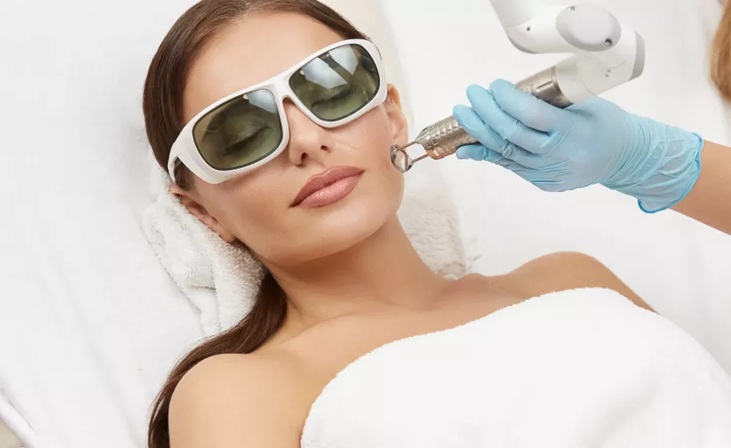

A scar is not simply a mark on the surface. When skin is wounded deeply enough, whether by acne, injury, or surgery, the body repairs it with collagen that is laid down in a disorganised pattern. That structural difference is what the eye sees as a scar. It can sit lower or higher than the skin around it, catches light differently, and refuses to fade with creams alone. Addressing it means reaching the dermis and persuading the body to rebuild that tissue properly, which is precisely what CO2 Laser Resurfacing is designed to do.
How Fractional Delivery Improves Healing
Older carbon dioxide lasers treated the entire surface at once. They worked, but the recovery was long and the risks considerable, because removing the whole outer layer leaves the skin with no intact tissue to heal from. The fractional approach changed how CO2 resurfacing is performed. Instead of ablating everything, the laser divides its beam into thousands of narrow columns and drills microscopic channels into the skin, leaving healthy tissue standing between each one.
Those untouched bridges are the reason the technique is effective and tolerable. They act as reservoirs of intact cells that migrate inward to close the treated columns quickly. The skin heals from many small points at once, which shortens downtime and lowers the chance of complications while still delivering a wound-healing response deep in the dermis.
From Controlled Injury to New Collagen
Each microscopic channel triggers a repair cascade. In the days after treatment, the body clears damaged tissue and begins a phase of remodelling that unfolds over weeks and months. Fibroblasts, the cells responsible for producing structural proteins, become active and lay down fresh collagen and elastin in the treated zones. Because this new collagen is deposited in a more organised arrangement than the original scar tissue, the depression or ridge of a scar gradually softens, and the surface grows more even.
This is why results are not instant. The visible improvement after a session comes partly from surface renewal, but the deeper reshaping of scar tissue continues to develop for several months as collagen matures. Acne scars in particular, especially boxcar and rolling types, often need a course of two or three sessions spaced months apart to reach a satisfying result.
Why Suitability Is Assessed Carefully
CO2 resurfacing is powerful, and that power comes with limits. The heat it generates can disturb pigment-producing cells, so people with darker skin tones face a higher risk of unwanted pigmentation changes and are frequently steered toward gentler alternatives. Practitioners generally consider it most predictable for fair to medium skin, and a responsible consultation weighs skin type, medical history, and healing capacity before proceeding. Clinics such as Belle Clinic in London frame the treatment this way, treating candidacy as something to establish.
Aftercare is also an important consideration. The freshly resurfaced skin is vulnerable while it heals, and diligent sun protection is essential to avoid pigmentation problems and to preserve the collagen that has been encouraged. Those willing to follow that guidance can see the treatment reward them.
Understood properly, CO2 resurfacing is less a surface polish than a controlled instruction to the skin’s repair machinery. By replacing disorganised scar tissue with collagen laid down in a healthier pattern, it works with the body’s own biology to smooth what once seemed permanent, provided the right skin is matched to the right expectations.