

Every scar tells a story, but not everyone wants that story to remain the first thing people notice. Whether it comes from surgery, an injury, pregnancy, burns, or a medical condition, changes in the skin can affect confidence in both subtle and significant ways. Fortunately, paramedical tattooing has become one of the most innovative non-surgical cosmetic solutions for restoring the appearance of damaged or discolored skin.
As more people in San Diego, CA seek minimally invasive treatments that enhance their natural appearance, paramedical tattooing continues to grow in popularity. This specialized form of medical tattooing focuses on blending scars, restoring lost pigmentation, and improving the appearance of various skin conditions using advanced color-matching techniques.
In this guide, we’ll explore the most common conditions that can be improved with paramedical tattooing, how the procedure works, and why more San Diego residents are choosing this life-changing treatment.
What Is Paramedical Tattooing?
Paramedical tattooing is a highly specialized cosmetic procedure that uses carefully selected pigments to restore or camouflage areas of the skin affected by trauma, surgery, illness, or natural skin changes. Unlike decorative tattoos, paramedical tattoos are designed to closely match your natural skin tone, creating a smoother and more even appearance.
A trained paramedical tattoo artist combines artistic skill with an understanding of skin anatomy, pigment theory, and healing processes to deliver realistic, natural-looking results.
Depending on the condition being treated, the procedure may involve:
- Skin tone camouflage
- Scar revision tattooing
- Pigment restoration
- Color correction
- Scar lightening techniques
1. Surgical Scars
One of the most common reasons people seek paramedical tattooing is to improve surgical scars.
These scars may result from:
- C-sections
- Knee replacements
- Hip replacements
- Thyroid surgery
- Cosmetic surgery
- Heart surgery
- Orthopedic procedures
Even after complete healing, surgical scars often remain lighter or darker than the surrounding skin. Skin camouflage techniques help blend the scar into the surrounding tissue, making it far less noticeable.
Many patients in San Diego choose scar camouflage after cosmetic procedures because they want their results-not their scars-to stand out.
2. Stretch Marks
Stretch marks affect people of all ages and body types. They commonly develop after:
- Pregnancy
- Rapid weight gain
- Weight loss
- Bodybuilding
- Growth spurts
- Hormonal changes
Although stretch marks are completely normal, many people feel self-conscious about them.
Modern paramedical tattooing can significantly improve white or hypopigmented stretch marks by restoring color to the affected skin. Some providers also combine scar camouflage with inkless stretch mark rejuvenation, which stimulates collagen production and enhances skin texture before pigment application.
This combination often produces smoother, more natural-looking results.
3. Mastectomy and Breast Reconstruction
Breast cancer survivors often undergo reconstruction after a mastectomy, but restoring the nipple and areola is an important final step in the healing journey.
Areola tattoo restoration creates realistic:
- Color
- Dimension
- Symmetry
- Natural appearance
Using advanced shading techniques, skilled artists can create the illusion of a three-dimensional nipple even when one is not physically present.
For many breast cancer survivors throughout San Diego, this procedure provides emotional closure and helps rebuild confidence after treatment.
4. Burn Scars
Burn injuries frequently leave behind:
- Uneven pigmentation
- Texture changes
- Discoloration
- Visible scarring
While paramedical tattooing cannot change scar texture, it can significantly reduce color differences between healthy skin and scar tissue.
Burn scar camouflage works best after scars have fully matured, usually at least 12 months after the injury or once approved by a medical professional.
The result is skin that appears more balanced and less noticeable.
5. Self-Harm Scars
Many individuals who have moved forward from difficult chapters in life seek treatments that reflect their personal growth.
Once fully healed, certain self-harm scars may be suitable candidates for scar camouflage or skin tone restoration.
A compassionate paramedical tattoo artist evaluates:
- Scar maturity
- Skin texture
- Pigmentation
- Overall healing
The goal is not to erase the past but to help clients feel more comfortable and confident in their skin.
6. Hypopigmented Scars
Some scars heal with little or no pigment, leaving noticeable white patches against darker surrounding skin.
These may occur after:
- Injuries
- Acne
- Surgery
- Burns
- Skin trauma
Through custom pigment blending, paramedical tattooing restores color that closely matches the surrounding skin tone.
Although perfection is never guaranteed, many clients experience dramatic improvements in the visibility of these scars.
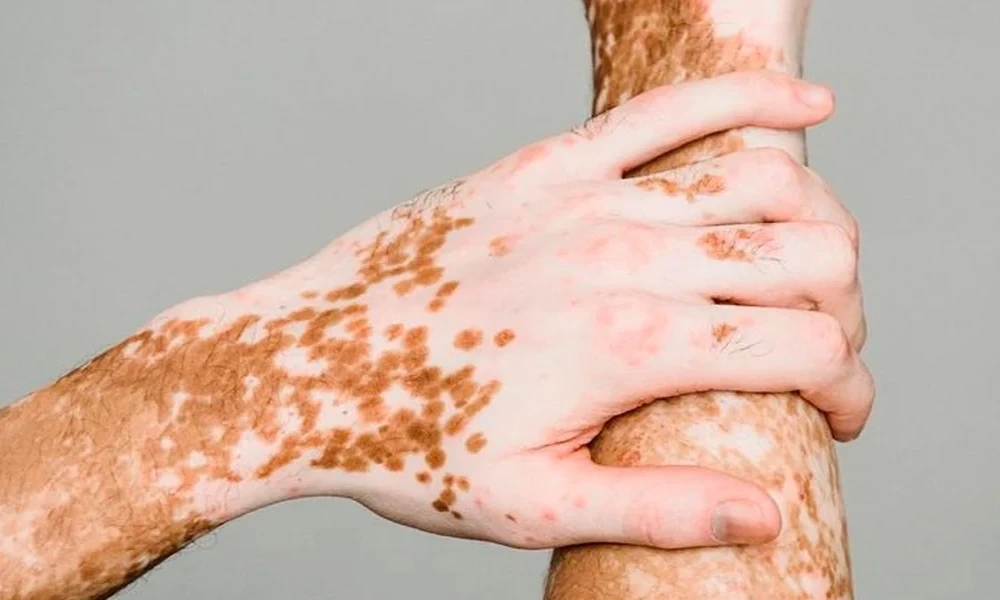
7. Vitiligo (In Select Cases)
Vitiligo causes areas of the skin to lose pigment, creating irregular white patches.
For individuals whose vitiligo has remained stable for several years, skin camouflage may be an option.
A consultation is necessary to determine eligibility because active or spreading vitiligo may not respond well to tattoo pigmentation.
When appropriate, carefully matched pigments can help reduce the contrast between affected and unaffected skin.
8. Traumatic Injury Scars
Accidents happen unexpectedly, and injuries from:
- Bicycle accidents
- Car accidents
- Falls
- Sports injuries
- Animal bites
can leave permanent reminders on the skin.
After complete healing, scar camouflage can soften the appearance of these marks by restoring color balance and reducing visual contrast.
Many active individuals in San Diego appreciate this treatment because it allows them to feel more comfortable wearing shorts, swimsuits, or sleeveless clothing year-round.
9. Cosmetic Procedure Scars
As cosmetic procedures become increasingly common, so do small surgical scars from treatments like:
- Breast augmentation
- Breast lift surgery
- Tummy tuck
- Facelift
- Arm lift
- Liposuction
Although these scars often heal well, some remain visible due to pigment loss.
Paramedical tattooing can improve these scars by blending them with nearby skin, helping patients enjoy their cosmetic results with greater confidence.
10. Skin Pigment Loss After Injury
Some injuries cause permanent pigment loss without creating significant raised scars.
Examples include:
- Abrasions
- Road rash
- Deep cuts
- Certain skin infections
- Chemical burns
Medical tattooing helps restore a more even skin tone using customized pigments selected specifically for the individual’s complexion.
Who Is a Good Candidate?
Most healthy adults may qualify for paramedical tattooing if:
- The scar is fully healed.
- There is no active infection.
- Skin conditions are stable.
- There is no excessive scar thickening.
- Expectations are realistic.
A professional consultation is always necessary before treatment.
What to Expect During the Procedure
Every treatment begins with a detailed assessment.
- Evaluate the skin.
- Discuss your goals.
- Match pigment to your natural skin tone.
- Create a customized treatment plan.
- Perform the tattoo procedure.
- Provide aftercare instructions.
Most appointments last between one and three hours, depending on the size and complexity of the treatment area.
Some conditions may require multiple sessions to achieve optimal results.
Recovery and Healing
Healing typically occurs over several weeks.
- Keep the area clean.
- Avoid excessive sun exposure.
- Follow all aftercare instructions.
- Avoid swimming until healed.
- Moisturize as directed.
Pigments will soften as the skin heals, revealing a more natural appearance over time.
Why San Diego Residents Are Choosing Paramedical Tattooing
Living in San Diego, CA means spending time outdoors, enjoying beaches, hiking trails, fitness activities, and year-round sunshine. Because lightweight clothing is common throughout the year, many people become increasingly aware of visible scars or pigment irregularities.
Rather than undergoing additional surgery, more residents are turning to paramedical tattooing as a minimally invasive solution that helps improve the appearance of scars, stretch marks, and pigment loss. When performed by an experienced specialist using advanced skin tone matching techniques, results can appear remarkably natural while supporting renewed confidence in everyday life.
Whether you’re looking to camouflage a surgical scar, restore an areola after breast reconstruction, soften stretch marks, or improve areas affected by trauma, choosing an experienced paramedical tattoo professiona l in San Diego can make all the difference.
Final Thoughts
Every person’s skin tells a unique story, but visible scars and pigment changes don’t have to define how you feel about yourself. Advances in paramedical tattooing have made it possible to improve the appearance of many common skin concerns through precise color matching and artistic expertise.
From surgical scars and burn scars to stretch mark camouflage, areola restoration, and stable pigment loss, this specialized treatment continues to help individuals regain confidence without invasive procedures. If you’re considering p aramedical tattooing in San Diego, working with a qualified professional can help you determine whether your condition is a good candidate and create a personalized treatment plan that supports your aesthetic goals.
Frequently Asked Questions
Does paramedical tattooing completely remove scars?
No. Paramedical tattooing does not remove scars. Instead, it camouflages discoloration by blending the scar with the surrounding skin, making it less noticeable.
How many sessions are usually needed?
Many clients achieve great results in one to three sessions, depending on the scar, skin type, and desired outcome.
Is the treatment painful?
Most clients describe the discomfort as mild to moderate. Topical numbing products may be used to improve comfort during the procedure.
How long do results last?
Results can last several years, although touch-ups may be recommended over time due to natural fading and skin changes.
When can I get a scar camouflaged?
Most scars should be fully healed and mature-often 12 months or longer-before treatment. A consultation will determine whether your scar is ready.